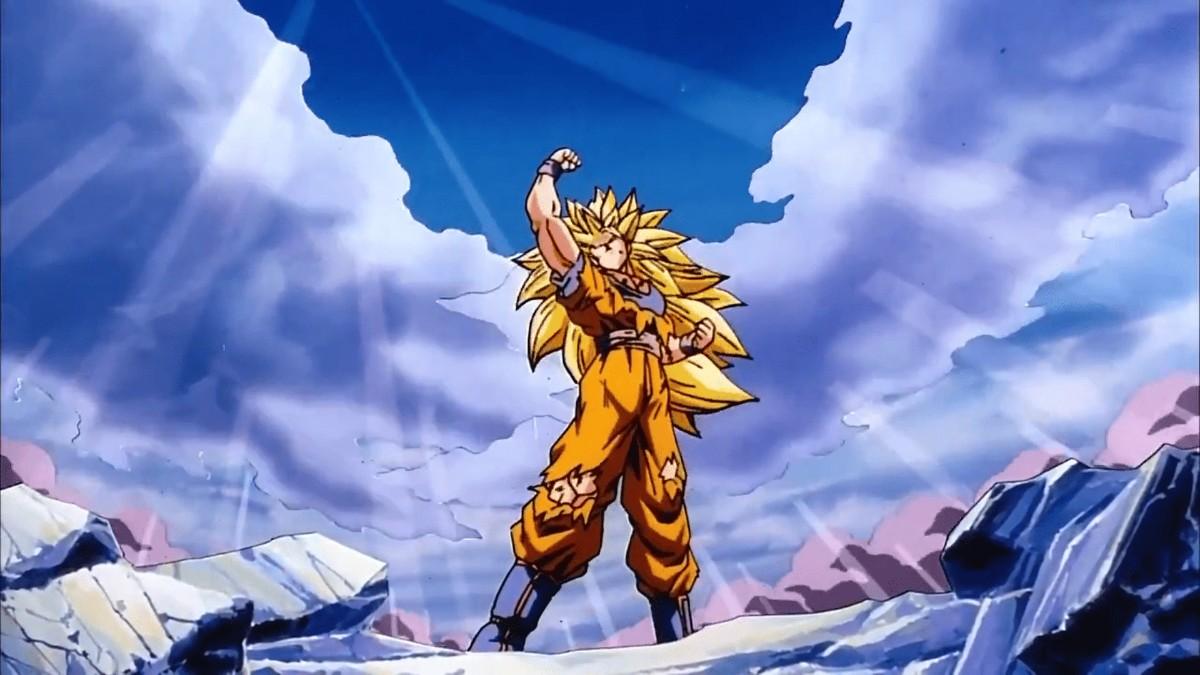
Calm After the Storm
For most of last year, I was in motion. Not steady motion. Urgent motion. There was always something unstable in the background — a relationship ending, a job hunt that felt like survival, a startup environment that required constant alertness, the pressure to prove myself.
It didn’t feel dramatic while it was happening. It just felt necessary. There was always a next problem to solve.
Living in survival mode without calling it that
Survival mode doesn’t announce itself. It disguises itself as ambition.
You wake up with urgency.
You measure days by output.
You feel slightly behind even when you’re progressing.
Rest feels dangerous.
There’s adrenaline in it. Focus. Obsession. A sharpness that makes you feel alive.
And because you’re producing, you assume it’s healthy. But survival mode has a texture.
You’re not building.
You’re bracing.
I didn’t realize that’s what I had been doing until it stopped.
Securing stability
When I secured a stable job, something changed almost immediately.
The urgency disappeared.
No more daily uncertainty.
No more financial instability.
No more “what if this doesn’t work.”
For the first time in months, there was no immediate threat.
And instead of feeling triumphant, I felt quiet.
The days became simple.
Wake up.
Work on projects.
Study Japanese.
Go to the gym.
Meet a friend.
Stretch.
Shower.
Sleep.
Nothing dramatic.
Nothing chaotic.
Just structure. And that’s when a strange thought appeared: Where did my fire go?
Mistaking peace for laziness
I started questioning myself.
Why don’t I feel intense?
Why don’t I feel obsessed?
Why isn’t everything urgent?
I even wondered if I was becoming lazy.
It took me a few days to understand what was actually happening.
The “fire” I was missing wasn’t ambition. It was panic.
For months, my energy came from instability. From needing to fix something. From needing to escape something. From needing to prove something.
Once those pressures dissolved, my nervous system finally stood down.
What I felt wasn’t laziness. It was regulation.
The flatline after survival
There’s a phase no one really talks about. After prolonged stress, when stability arrives, your system doesn’t immediately switch to high-performance mode.
It levels out.
It feels neutral.
Sometimes even boring.
But boring was exactly what I had wanted. I just didn’t recognize it because I had normalized chaos.
I used to measure growth by intensity. Now I’m starting to measure it by consistency.
What actually stayed
Here’s what made the difference clear.
Even in this calm phase, I was still:
- Going to the gym
- Studying Japanese daily
- Working on multiple projects
- Applying thoughtfully instead of desperately
- Writing and reflecting
The difference wasn’t output. It was emotional tone.
Before, I was pushing. Now, I’m choosing.
The work didn’t disappear.
The pressure did.
Fire, redefined
There are two kinds of fire.
One is loud. It burns fast. It feeds on urgency. The other is quiet. It doesn’t flicker. It doesn’t need drama. It just stays on.
For a long time, I thought the first one was strength.
Now I’m starting to understand that the second one compounds.
You don’t live a full life on emotional spikes.
You build it on regulated momentum.
Calm as a foundation
This phase isn’t explosive. It’s stabilizing.
I’ll soon be working as a bilingual engineer.
I’m preparing for JLPT N2.
I’m studying marketing and business alongside engineering.
I’m building side projects because I want to, not because I need to escape something.
There’s no storm right now.
And that used to scare me.
Now I see it differently.
Calm isn’t the absence of ambition.
It’s the environment where ambition can grow without distorting you.
I don’t think the storm was useless.
It taught me urgency.
It taught me resilience.
It forced growth.
But I don’t want to live in it.
For the first time in a while, things are quiet.
And instead of asking where the fire went,
I’m learning to protect the calm.